Living Abroad With Family: When the Network Also Feels Like a Burden
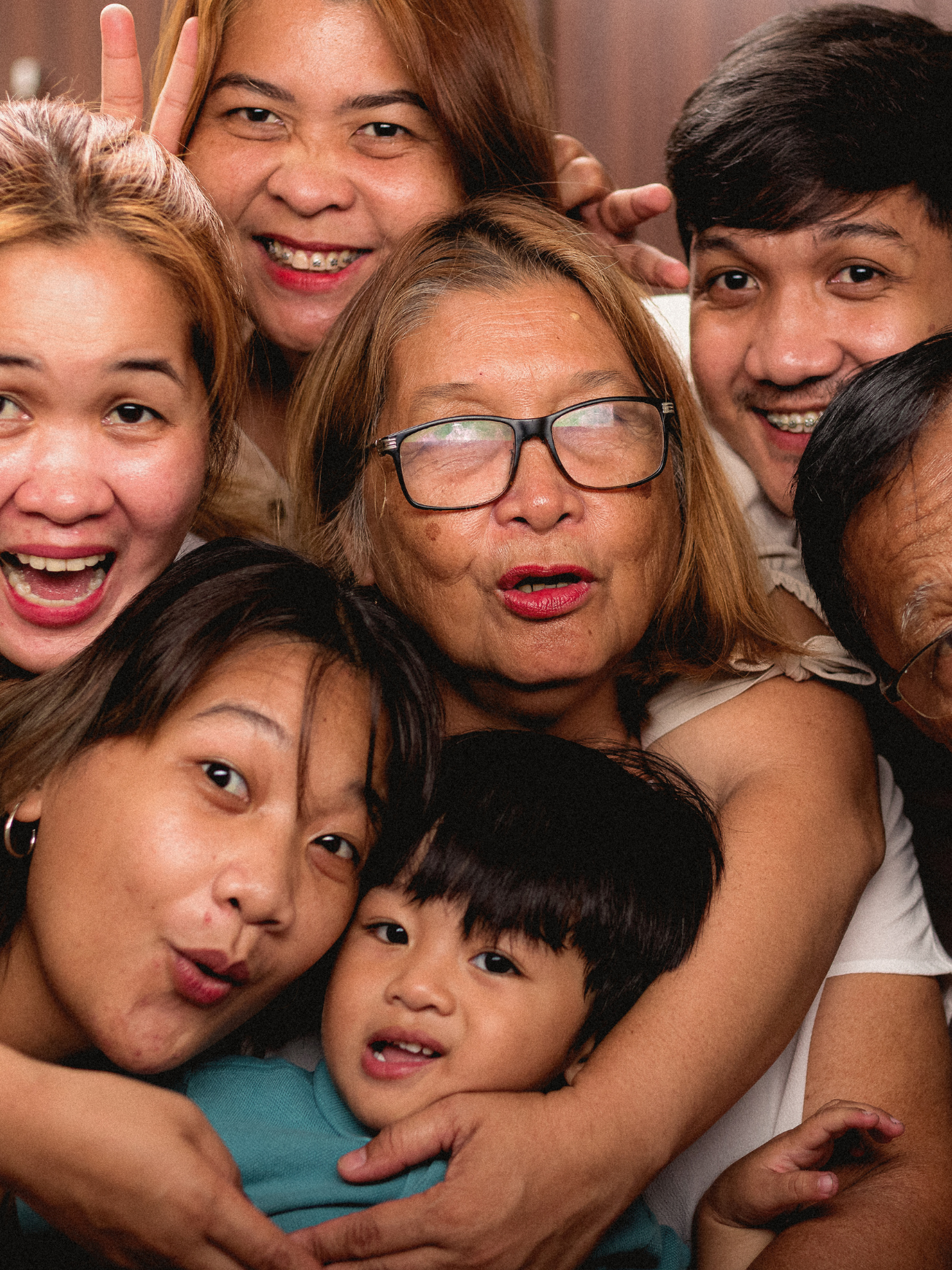
When we think about migration, we often picture people moving abroad away from family. This creates distance, as well as independence, and a fresh start. But for many immigrants, the opposite is true: they move toward family members already living in a foreign country.
Living close to relatives abroad can be both grounding and complicated. It can soften the impact of cultural adaptation, but it can also intensify emotional tensions that show up inside family systems, especially when those systems are transplanted into a new cultural environment.
The Comfort of Family When You’re Far From Home
Having family nearby in a foreign country often brings relief, especially during the initial stages of migration. It can create:
- A sense of continuity with your culture of origin;
- Familiar traditions, food, and language;
- Emotional support during an uncertain time;
- A buffer against loneliness or cultural isolation.
In a new country where everything feels unfamiliar, family can feel like a safe landing place. A shared language and shared history can offer belonging in a landscape that has not yet become “home.”For many people, this sense of community becomes a crucial part of their mental health and adaptation.
When Closeness Creates Tension
But proximity doesn’t automatically mean harmony. Sometimes living near family in a new country brings old dynamics into sharp focus:
- Unresolved conflicts;
- Role expectations that no longer fit;
- Overinvolvement in each other’s lives;
- Pressure to follow family traditions or norms;
- Power dynamics or domination patterns;
- Emotional dependency;
- The feeling of being “watched” or judged.
For some immigrants, these dynamics may feel even heavier abroad, because the usual support networks are still forming. In this context, the family may become the default source of support and stress.
This emotional paradox can create deep internal and relational conflicts.
Cultural Adaptation Complicated by Old Dynamics
Living in a new country requires energy: learning new systems, understanding cultural norms, building friendships, adjusting expectations, and redefining identity. But if family ties replicate old hierarchies, emotional demands, or patterns of control, adaptation can become harder.
You may find yourself wanting independence but feeling guilty, wanting closeness but feeling overwhelmed; wanting to integrate into the new culture but feeling held back and feeling torn between loyalty to family and loyalty to yourself.
Not everyone experiences this, but for some, family proximity can create a sense of being tied to “old rules” while trying to build a new life. This tension can bring emotional fatigue, anxiety, frustration, or grief.
Therapy Helps When Family Is Close But Complicated
Working with a bilingual therapist who understands the cultural layers of migration can offer a place of clarity and emotional safety.
In therapy, you can explore:
- The role your family plays in your adaptation: What helps you? What hurts you? What feels confusing?
- How cultural expectations shape your feelings: Obligation, loyalty, and guilt are often culturally rooted—and therapy can help unpack them without judgment.
- How to set healthy boundaries: Not to cut ties, but to create space for your autonomy and emotional well-being.
- New sources of community and belonging: Finding supportive friendships, local groups, or cultural communities that bring balance and relief.
- How to navigate loyalty without losing yourself: This may mean redefining your role within the family, slowly and respectfully.
Living Abroad With Family: A Relationship That Evolves
Being close to family in a foreign country can bring some sense of being at home, but it can also be a source of strain, especially when unresolved family patterns become amplified by the stresses of migration.
The goal is not to abandon your loved ones or erase your roots. It’s to create a life where your connections support your growth, not undermine it.
A therapist, especially a bilingual therapist who understands cultural nuances, can help you navigate this delicate balance. You can build a life where belonging, independence, heritage, and new beginnings coexist in a healthy and meaningful way.
Share this:

About the Author
Fernanda Vieira is a Clinical Psychologist, holds a PhD in Mental Health from the University of São Paulo (USP), and is the founder of Be Brave Psicologias. Her work brings together clinical practice, research, and intellectual production to understand how people develop new personal references during major life transitions, particularly migration, career change, and identity reconstruction.
A Note
This article is intended for educational and reflective purposes. It does not replace individual psychological assessment or psychotherapy. Every personal experience unfolds within its own context and deserves to be understood in its uniqueness.
Some life changes ask for immediate decisions. Others ask for time to become understandable. Psychotherapy can offer a place where new personal references gradually emerge through careful reflection.
Continue Reading
-

When Is the Right Time to Seek Therapy when facing Cultural Shock?
Cultural adaptation is a personalized journey with no fixed timeline. Your process is influenced by your history, your values, your support network, your privileges, and your emotional resources. If you feel overwhelmed, confused, or alone, reaching out for psychotherapy—especially with a bilingual or culturally aware therapist—can offer clarity, grounding, and emotional support. You deserve to…
-

Building a Career as an Expat in Brazil
Adapting to a new culture can be both an exciting and daunting experience, especially when it involves integrating into a new workplace. For foreigners working in a different country, the workplace can present unique challenges, from language barriers to understanding local customs, expectations, and work habits. Successfully navigating this transition is key to thriving in…
-

When Living Abroad Means Being Far From Family: The Feeling of Not Being There
Being far from family does not automatically mean abandonment. Nor does missing them mean you made the wrong decision. If you are living abroad and struggling with the feeling of not being there enough—for them or for yourself—therapy can offer a space to reorganize these emotions with clarity and compassion. You are navigating not just…